Designing AI for Adoption
Designing AI for Adoption
Designing AI
for Adoption
I designed a suite of methodologies and frameworks that were used by Product teams to increase the adoption of the GenAI products they were building for our clients.
The Problem
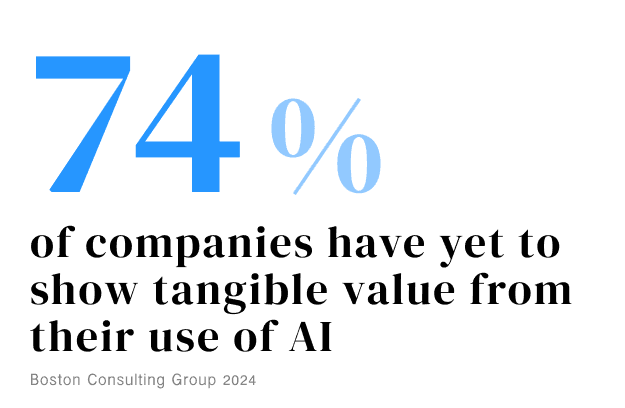
Investment in GenAI has reached unprecedented levels and excitement is hoigh, yet organizations are seeing low adoption of the GenAI tools they're rolling out to employees and users.
The Problem
Investment in GenAI has reached unprecedented levels and excitement is hoigh, yet organizations are seeing low adoption of the GenAI tools they're rolling out to employees and users.
The Solution
A comprehensive suite of playbooks, processes, and toolkits to build GenAI Products that actually get adopted, and shift user mental models from 'search engine' to 'collaborative partner'.
The Solution
A comprehensive suite of playbooks, processes, and toolkits to build GenAI Products that actually get adopted, and shift user mental models from 'search engine' to 'collaborative partner'.
The Impact
A robust set of GenAI adoption methodologies and frameworks, that equipped product teams and enterprise clients with the ability to transform how organizations approach AI deployment and user adoption.
The Impact
A robust set of GenAI adoption methodologies and frameworks, that equipped product teams and enterprise clients with the ability to transform how organizations approach AI deployment and user adoption.
MY ROLE(S)
UX Lead
TEAM STRUCTURE
2x Creative Director
4x UX Designers
1x Engineering Lead
SKILLS DEMONSTRATED
AI Strategy
UX Leadership
The Adoption Gap
The Adoption Gap
While investment in AI has outpaced that of any other major technology seen before, and it’s captured the public attention (in both positive and negative ways) many organizations are still in the early experimentation phases with Agentic and GenAI.
One of the biggest challenge they face is not in lacking the capabilities to deploy AI, or the data to power it; it’s in individual’s lacking a meaningful reason to engage and use GenAI beyond low-value use cases e.g. re-writing text and customer support agents
The Adoption Gap
While investment in AI has outpaced that of any other major technology seen before, and it’s captured the public attention (in both positive and negative ways) many organizations are still in the early experimentation phases with Agentic and GenAI.
One of the biggest challenge they face is not in lacking the capabilities to deploy AI, or the data to power it; it’s in individual’s lacking a meaningful reason to engage and use GenAI beyond low-value use cases e.g. re-writing text and customer support agents
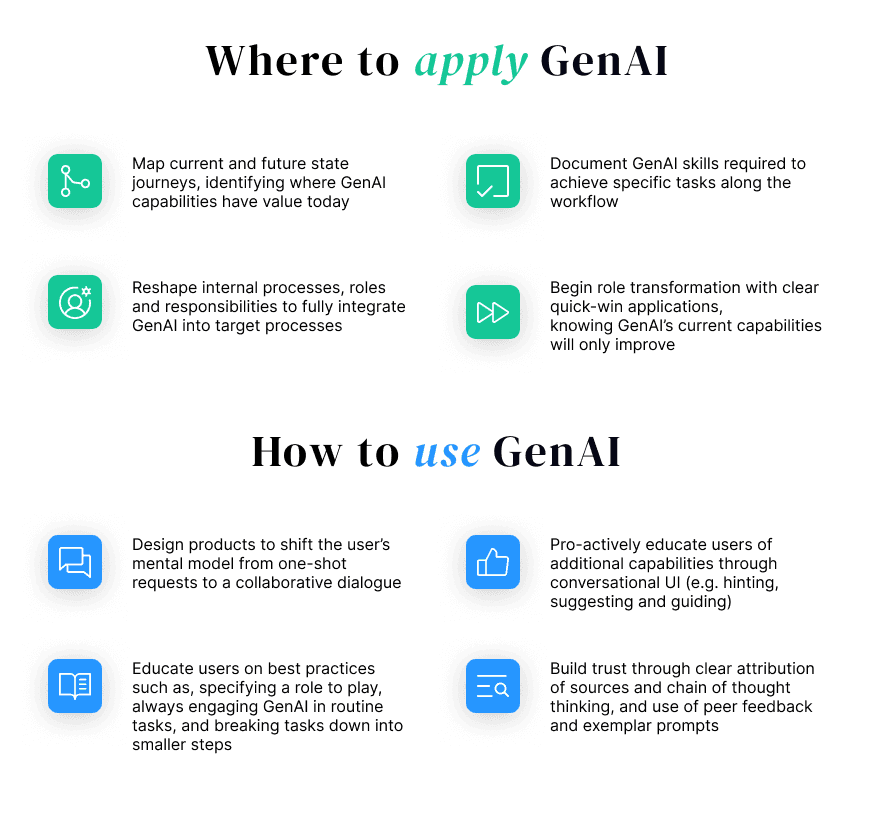
Where to Apply, and how to use GenAI are critical considerations organizations needed to address to fuel adoption of their GenAI tools.
Where to Apply, and how to use GenAI are critical considerations organizations needed to address to fuel adoption of their GenAI tools.
Through research and stakeholder engagement, I diagnosed two key challenges preventing GenAI adoption: Organizations didn't know where to apply the technology strategically, and users didn't understand how to use it effectively as a collaborative tool rather than a search engine.
I created frameworks to help organizations map current and future state workflows: Identify where GenAI capabilities best solve unmet user needs, and address real business challenges (ease + impact)
Where to Apply, and how to use GenAI are critical considerations organizations needed to address to fuel adoption of their GenAI tools.
Through research and stakeholder engagement, I diagnosed two key challenges preventing GenAI adoption: Organizations didn't know where to apply the technology strategically, and users didn't understand how to use it effectively as a collaborative tool rather than a search engine.
I created frameworks to help organizations map current and future state workflows: Identify where GenAI capabilities best solve unmet user needs, and address real business challenges (ease + impact)
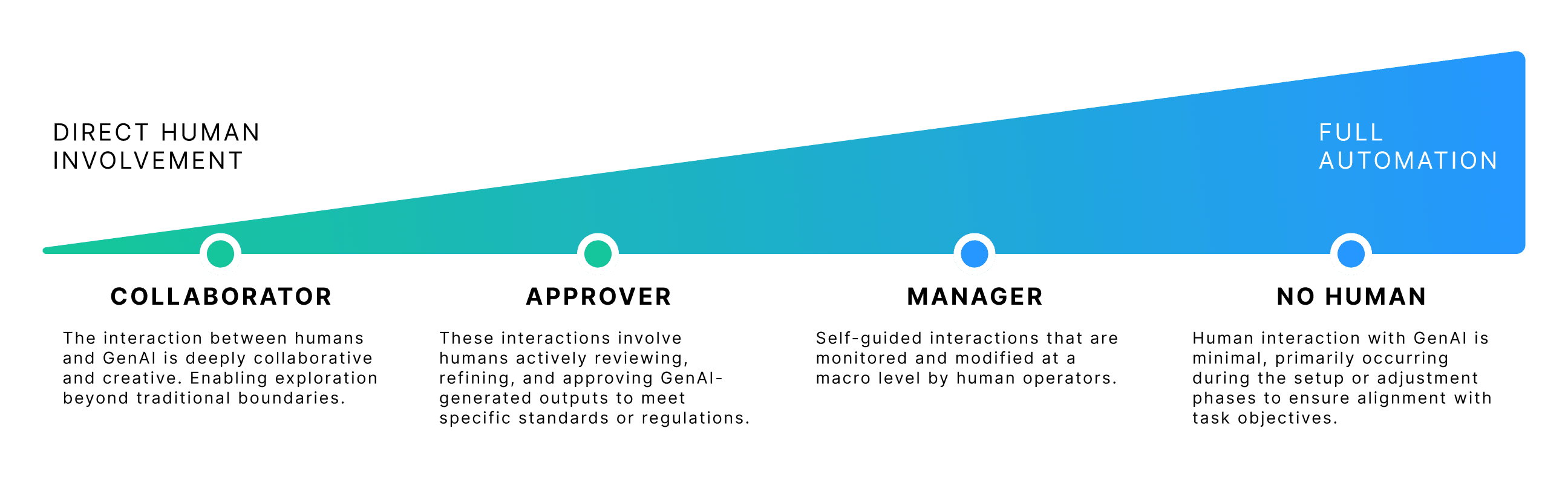
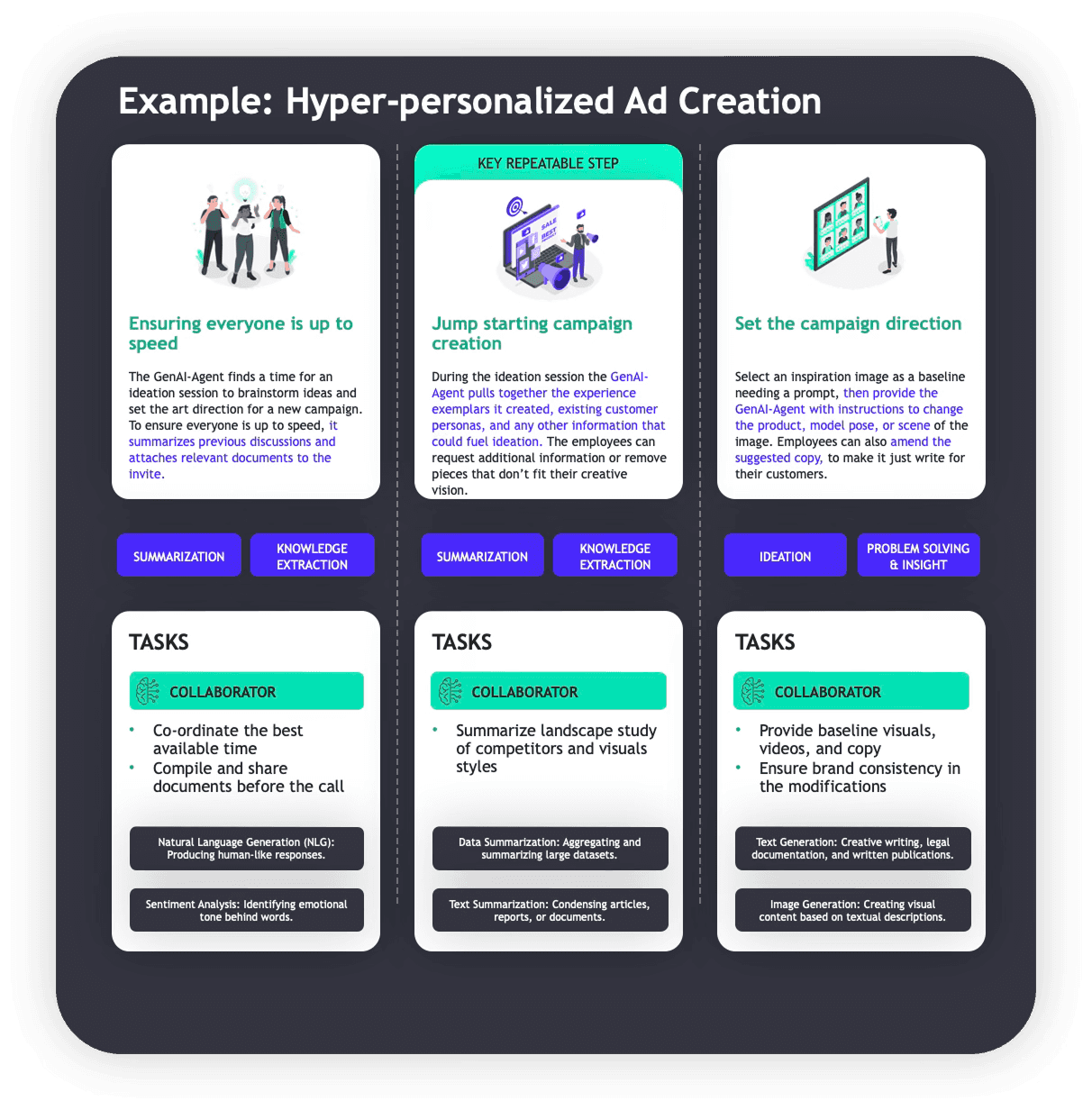
To reduce risk when building GenAI solutions I developed a framework that defined 4 archetypes for Human-AI oversight
The four archetypes mapped human engagement across the AI workflow spectrum. Collaborator (deep co-creation and idea exploration), Approver (oversight and refinement of AI outputs), Manager (monitoring automated tasks with guardrails), to full automation.
This archetype model helped organizations identify appropriate integration points by clarifying where human expertise adds value versus where automation should take precedence. All based on factors like task complexity, required creativity, oversight needs, and efficiency priorities.
To reduce risk when building GenAI solutions I developed a framework that defined 4 archetypes for Human-AI oversight
The four archetypes mapped human engagement across the AI workflow spectrum. Collaborator (deep co-creation and idea exploration), Approver (oversight and refinement of AI outputs), Manager (monitoring automated tasks with guardrails), to full automation.
This archetype model helped organizations identify appropriate integration points by clarifying where human expertise adds value versus where automation should take precedence. All based on factors like task complexity, required creativity, oversight needs, and efficiency priorities.
To enable our clients to truly reimagine their products and services, I helped them map AI capabilities to key moments of truth
To enable our clients to truly reimagine their products and services, I helped them map AI capabilities to key moments of truth
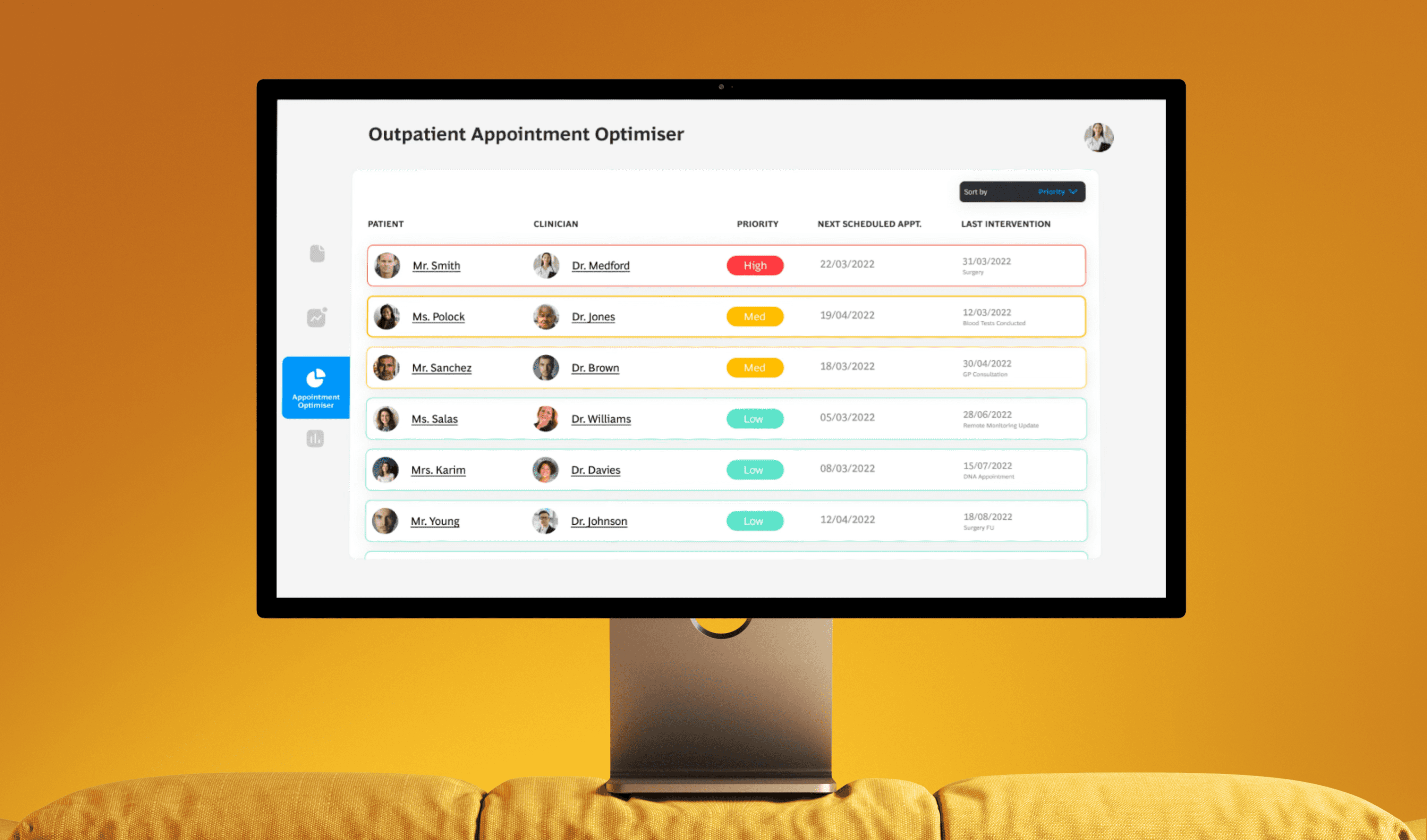
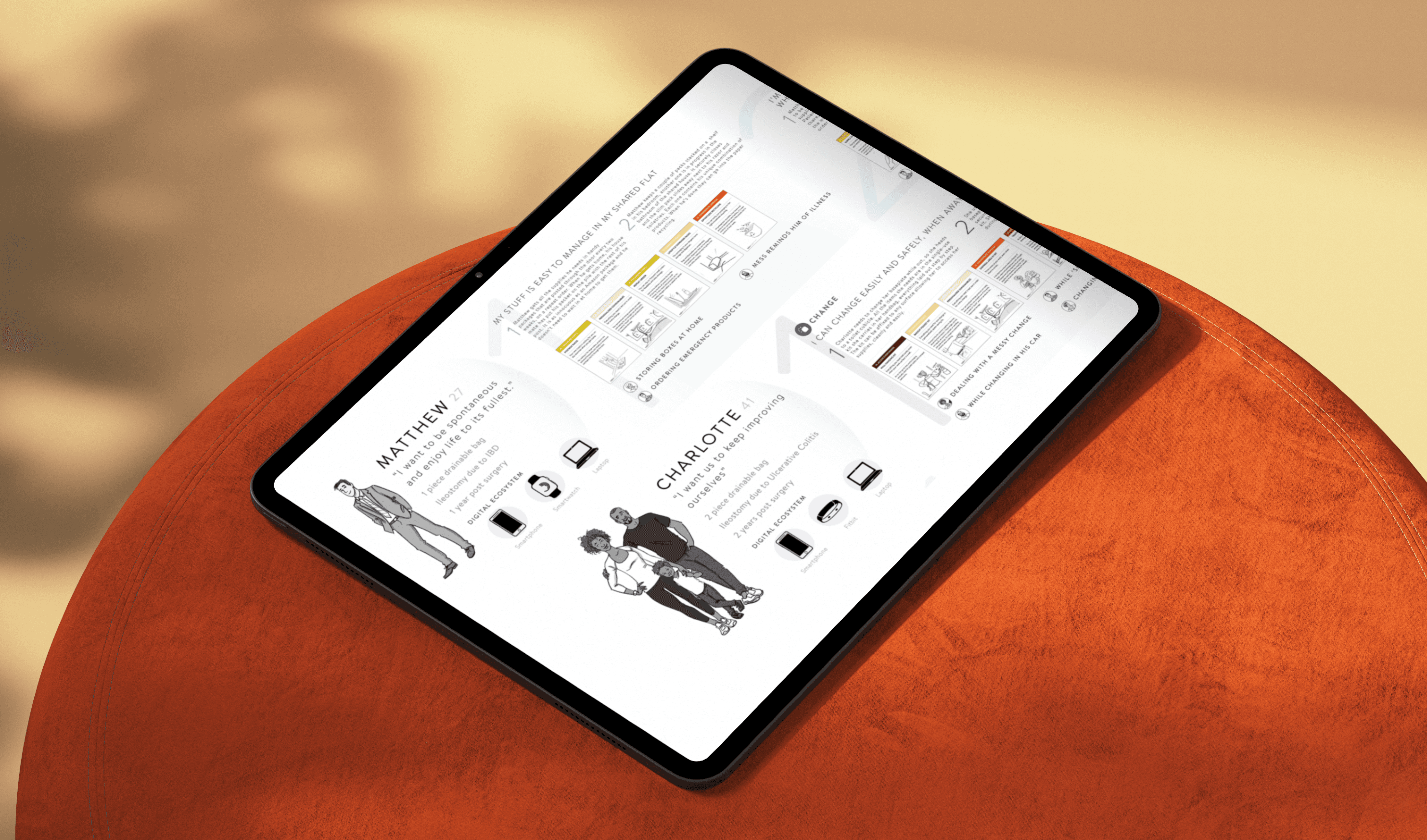
I comprehensively mapped each step of their existing and future workflows, mapping the GenAI skills required, and human oversight archetype to each stage.
To ensure these future visions were feasible, I added a task readiness column that identified potential actions the AI would take, and the level of automation required.
To enable our clients to truly reimagine their products and services, I helped them map AI capabilities to key moments of truth
I comprehensively mapped each step of their existing and future workflows, mapping the GenAI skills required, and human oversight archetype to each stage.
To ensure these future visions were feasible, I added a task readiness column that identified potential actions the AI would take, and the level of automation required.
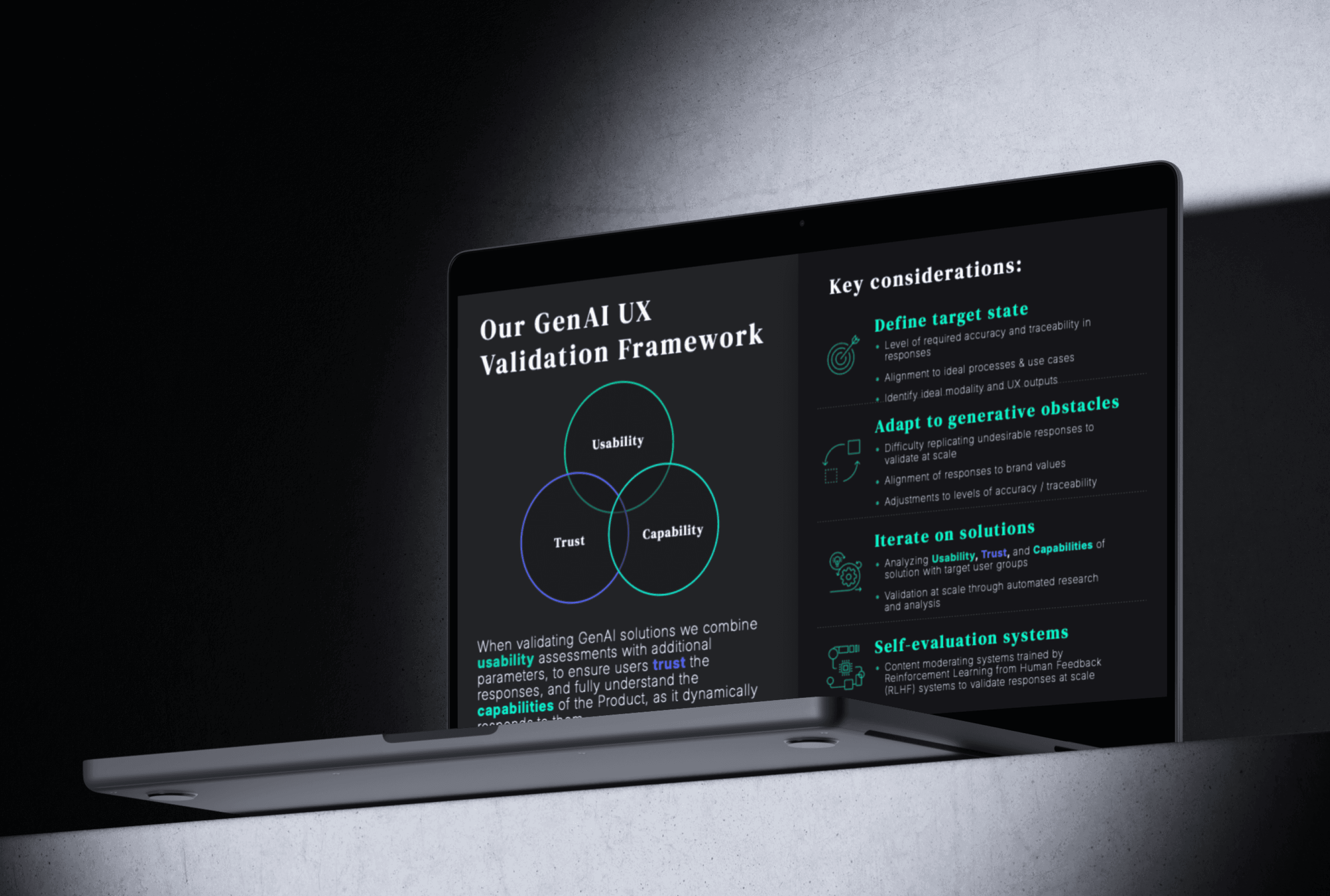
I developed a toolkit to evaluate the quality of the underlying model and the user experience of GenAI products throughout their lifecycle
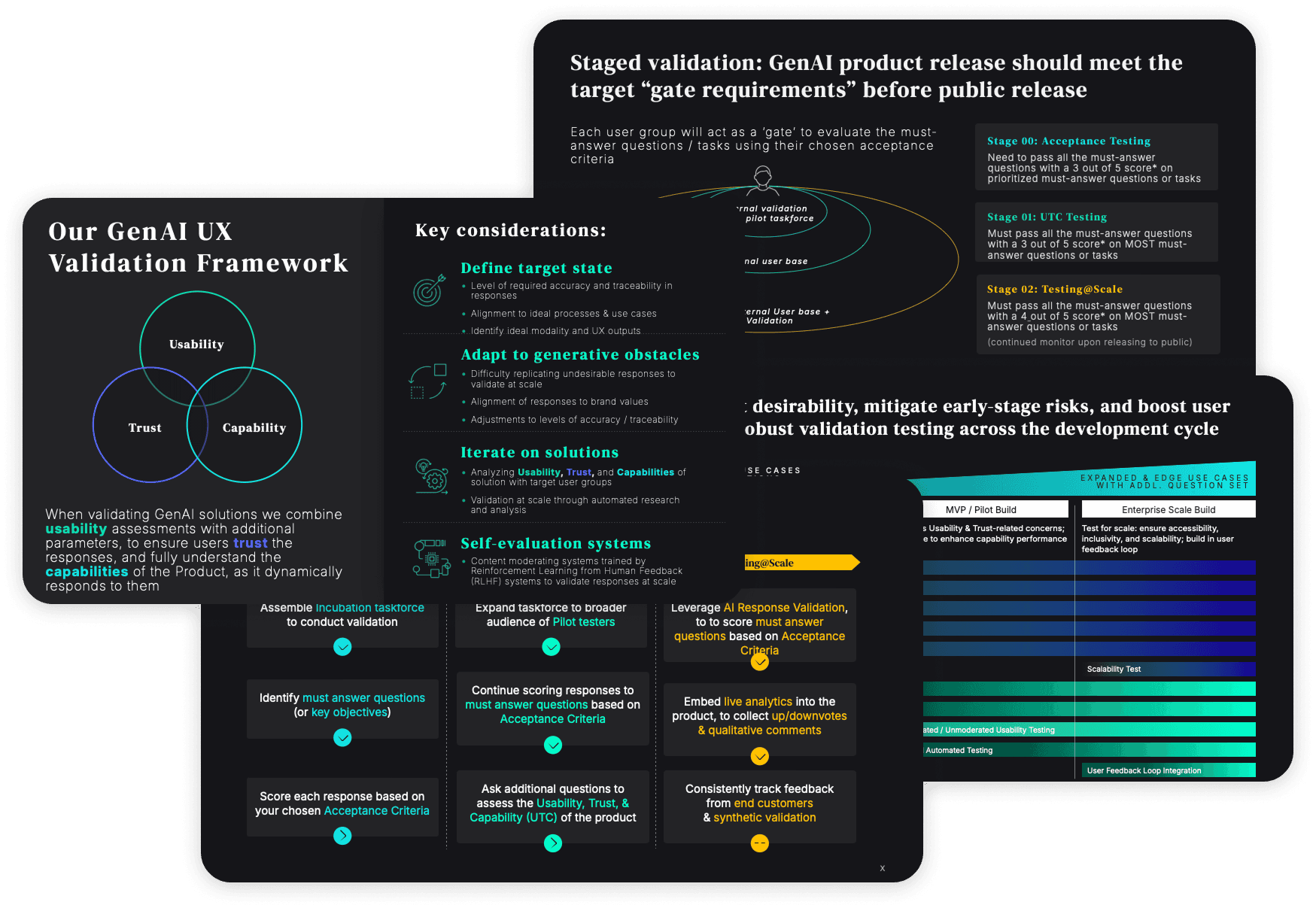
I developed a toolkit to evaluate the quality of the underlying model and the user experience of GenAI products throughout their lifecycle
It centered around 2 key elements:
Acceptance Criteria: A set of foundational criteria for must-answer questions / must-achieve tasks that provide guidance on when products are safe to launch
Usability, Trust, and Capability (UTC) Assessment: A set of assessment metrics that evaluate the performance of the GenAI product
These were used as part of a stage-gate process that determined when a product was ready to progress from silo’d Pilot, to adoption at Scale.
I developed a toolkit to evaluate the quality of the underlying model and the user experience of GenAI products throughout their lifecycle
It centered around 2 key elements:
Acceptance Criteria: A set of foundational criteria for must-answer questions / must-achieve tasks that provide guidance on when products are safe to launch
Usability, Trust, and Capability (UTC) Assessment: A set of assessment metrics that evaluate the performance of the GenAI product
These were used as part of a stage-gate process that determined when a product was ready to progress from silo’d Pilot, to adoption at Scale.
I helped our team refine their ADRA framework and identified key use cases where new interaction patterns could drive adoption.
I helped our team refine their ADRA framework and identified key use cases where new interaction patterns could drive adoption.
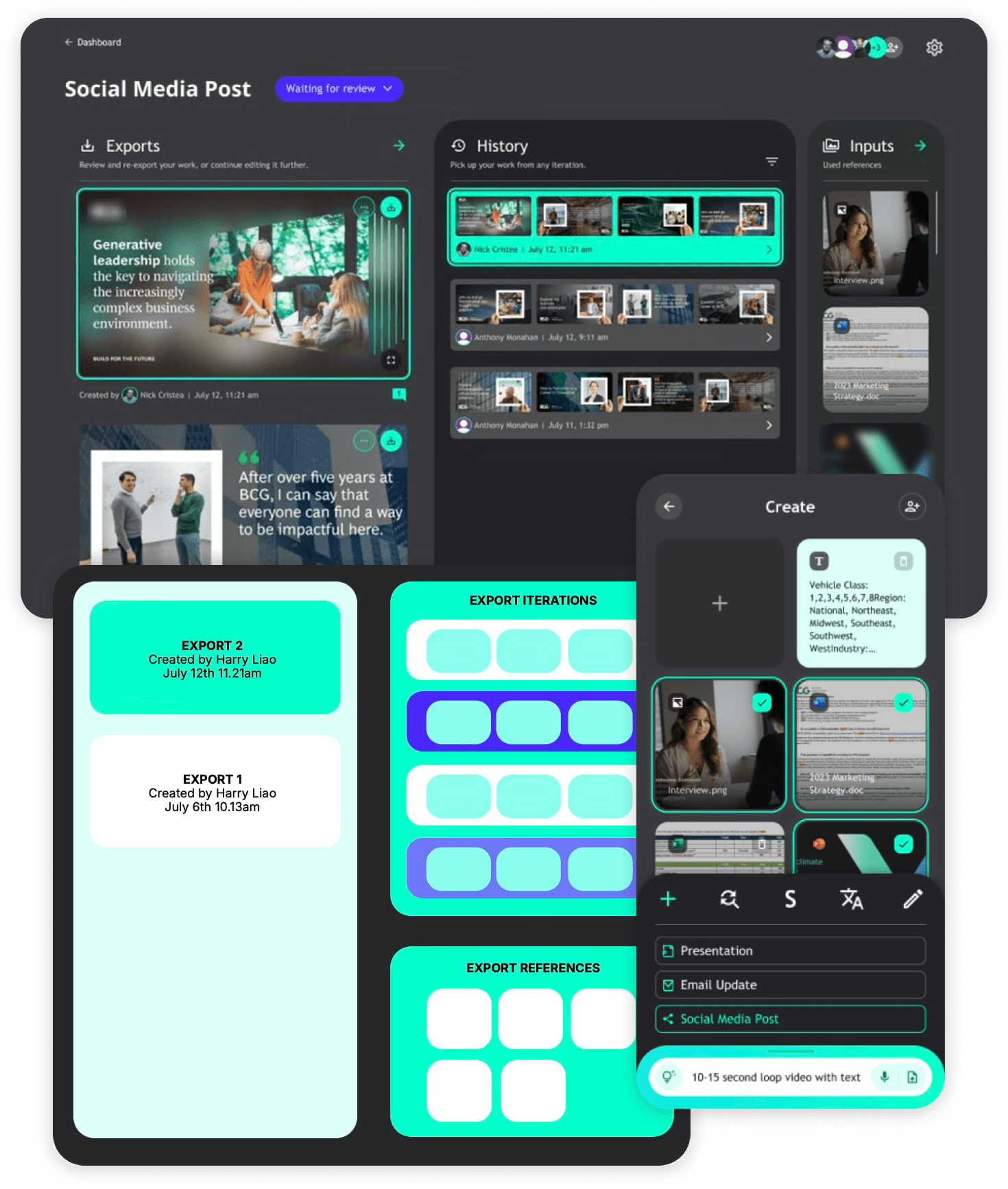
The ADRA framework (Analyzing, Defining, Refining, Acting) to structure GenAI interactions across the full workflow spectrum, from monitoring and proactive suggestions to content generation, iterative refinement through conversation and direct editing, and automated process execution
I designed wireframes, mapped macro-journeys that demonstrated how ADRA could be applied to real-world scenarios, and offered strategic insight as our team designed a modular UI component system with reconfigurable layouts supporting different ADRA modes, across use cases.
I helped our team refine their ADRA framework and identified key use cases where new interaction patterns could drive adoption.
The ADRA framework (Analyzing, Defining, Refining, Acting) to structure GenAI interactions across the full workflow spectrum, from monitoring and proactive suggestions to content generation, iterative refinement through conversation and direct editing, and automated process execution
I designed wireframes, mapped macro-journeys that demonstrated how ADRA could be applied to real-world scenarios, and offered strategic insight as our team designed a modular UI component system with reconfigurable layouts supporting different ADRA modes, across use cases.